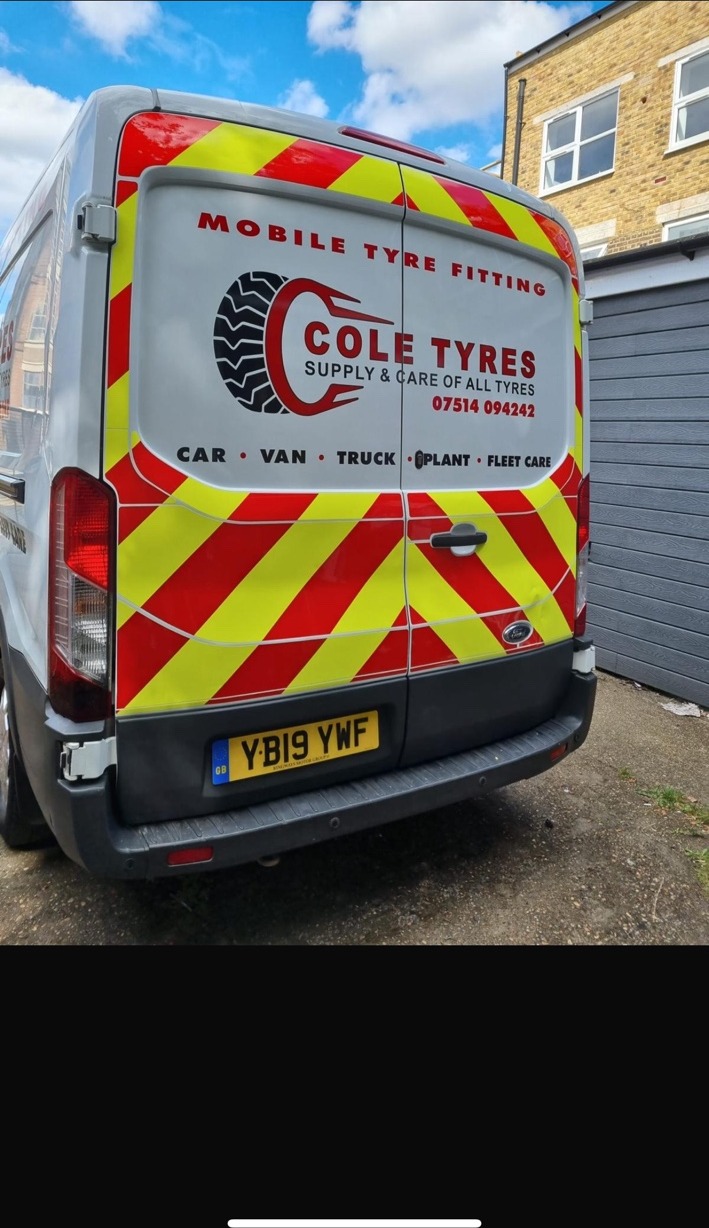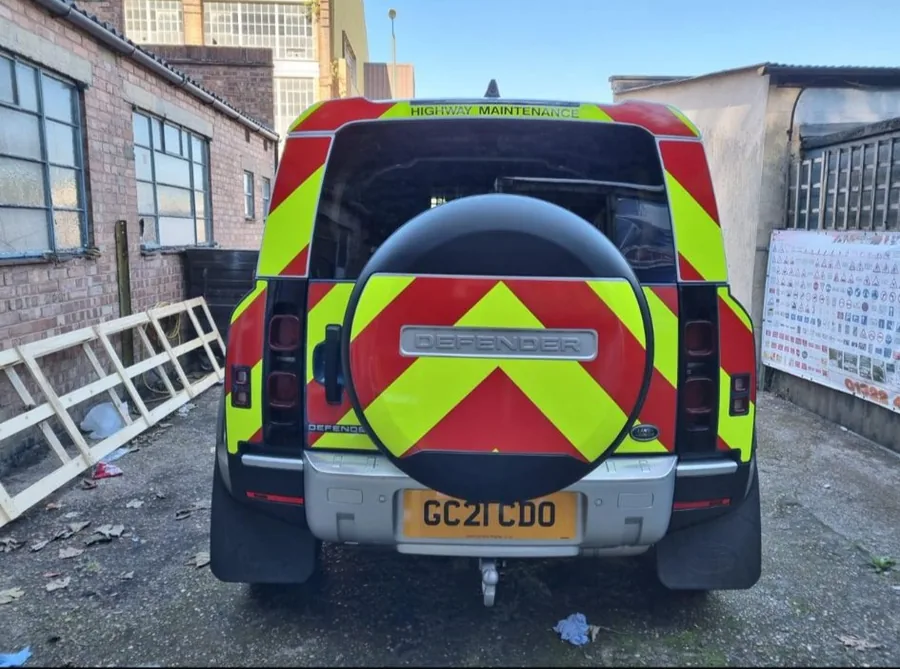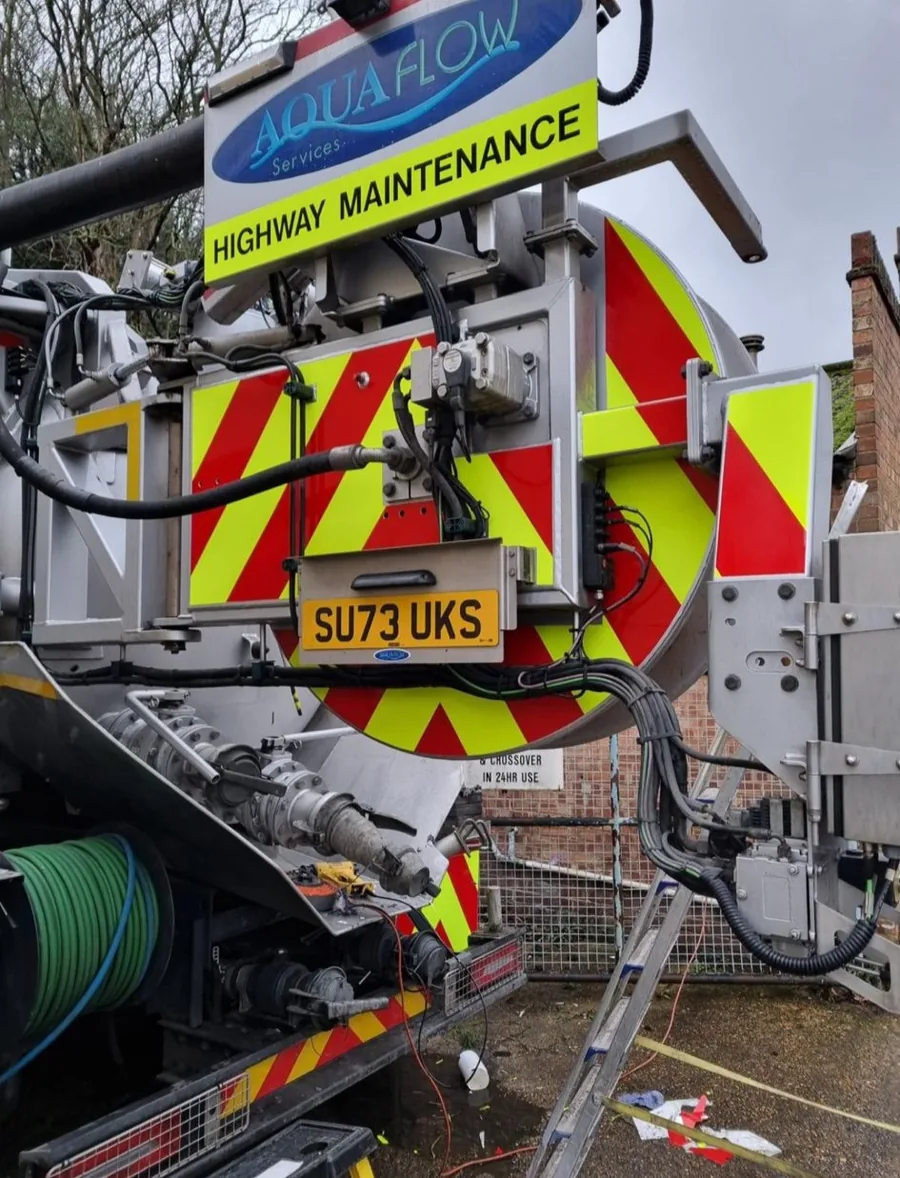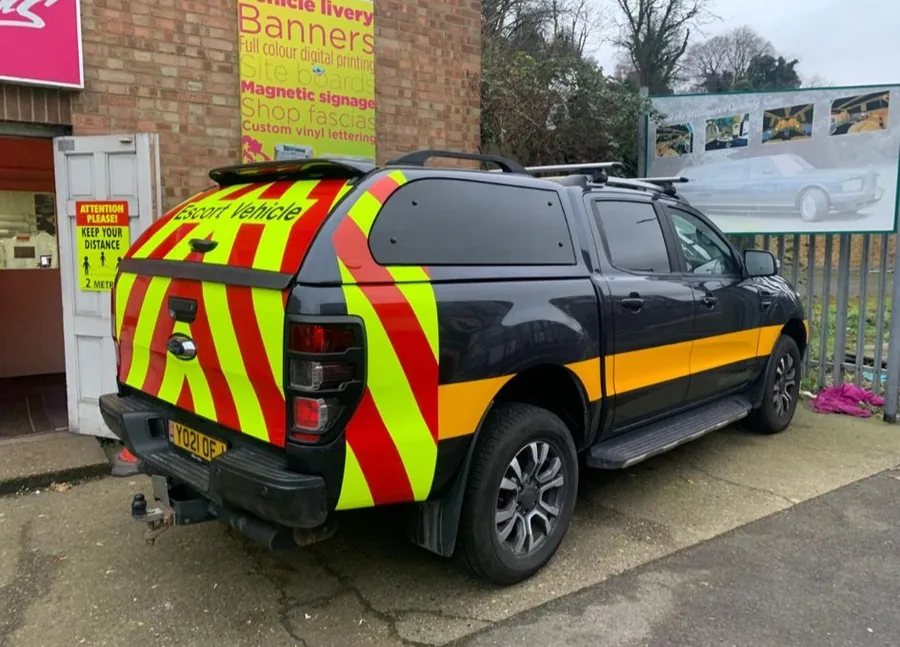
Chapter 8 refers to Chapter 8 of the Traffic Signs Manual, published by the Department for Transport (DfT). It sets out the legal requirements and best practice guidelines for the signing, lighting, and guarding of roadworks and other temporary obstructions on public highways in the UK.
The Chapter 8 standard applies to all vehicles used in connection with highway works — including maintenance vehicles, escort vehicles, and plant machinery operating on or near public roads. Non-compliance can result in significant fines, prosecution, and invalidated insurance.
At Talion Graffix we produce and install Chapter 8 compliant reflective chevron markings to the correct specification, using approved materials — ensuring your vehicles meet the standard every time they go to site.
Operating a highway works vehicle without the correct Chapter 8 markings is a criminal offence. Penalties include prohibition notices, fines, and potential liability in the event of an accident. Don't risk it — get compliant today.
Chapter 8 of the Traffic Signs Manual is issued under the Road Traffic Regulation Act 1984 and the Traffic Signs Regulations and General Directions (TSRGD). It is a legal requirement, not merely guidance.
Chevron markings must use retro-reflective material meeting EN ISO 20471 and Highways England specifications. Talion Graffix uses only approved Class 2 and Class 3 reflective vinyls to ensure full compliance.
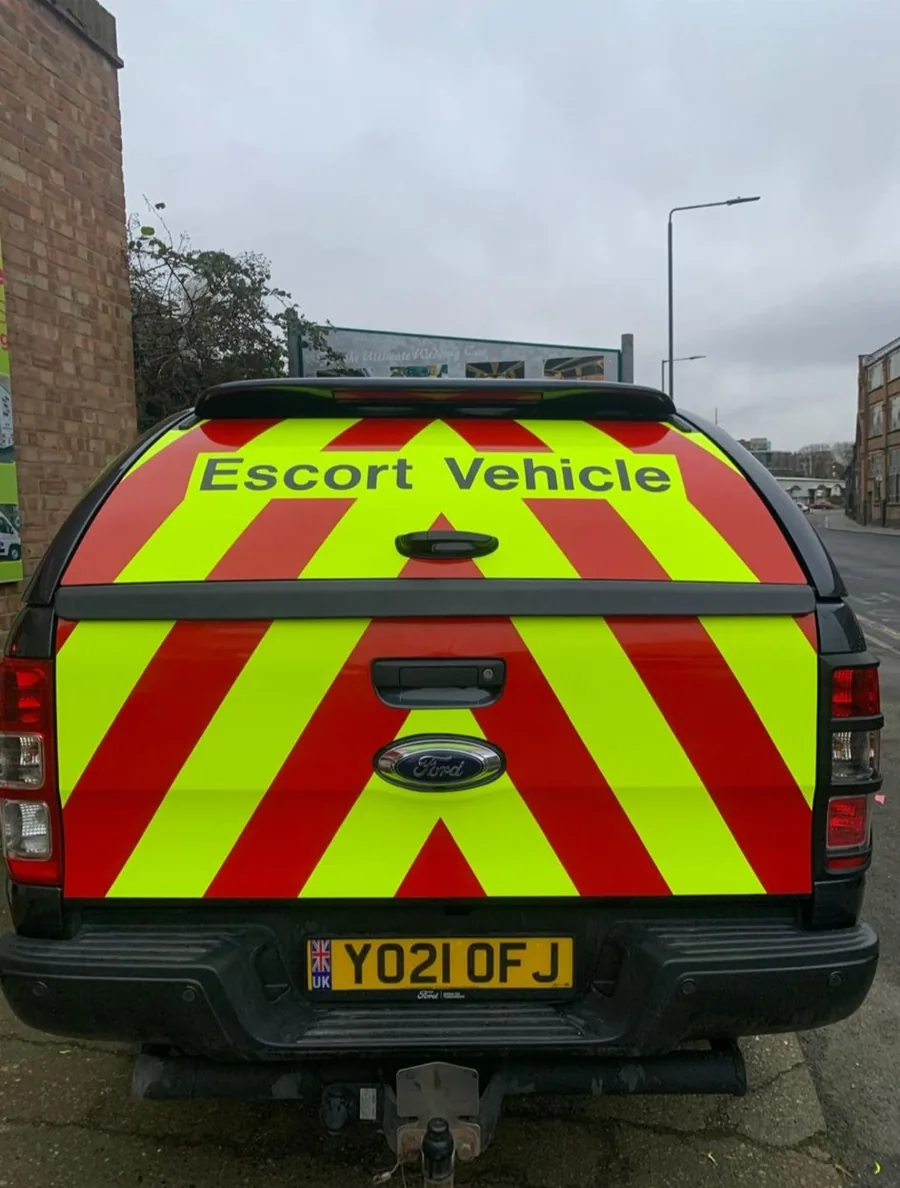
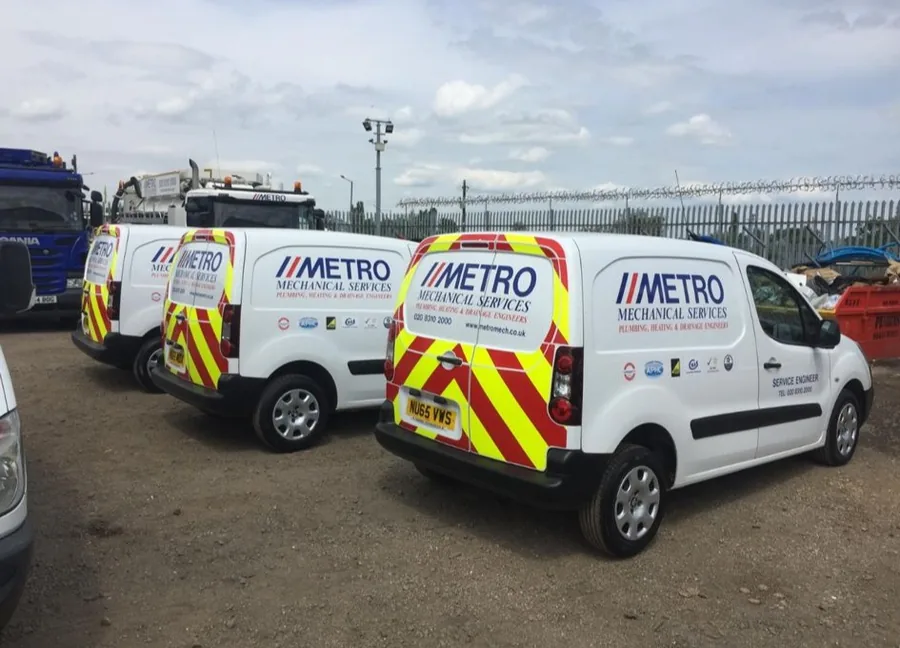
The standard Chapter 8 chevron pattern uses alternating yellow-green (fluorescent) and red reflective diagonal stripes, angled towards the nearside of the vehicle at 45°. The stripe width and panel size must meet minimum dimensional requirements.
Chapter 8 markings must be regularly inspected and replaced when they show signs of deterioration, peeling, or reduced reflectivity. We offer replacement and refurbishment services for existing markings.
Chapter 8 markings are required on a wide range of vehicles involved in highway works and maintenance activities.
Service vehicles attending roadworks, inspections, and carriageway maintenance.
Large goods vehicles attending highway works sites or travelling as part of a convoy.
Pilot and escort vehicles accompanying abnormal loads on public roads.
Excavators, rollers, and specialist plant used on or travelling to highway works sites.
Gas, water, electric and telecoms vehicles attending emergency or planned works on the highway.
Any fleet of vehicles regularly attending highway works requires consistent Chapter 8 compliance across all units.
Understanding exactly what Chapter 8 requires helps you stay legal, safe, and insured on every job.
Chapter 8 compliant markings we have produced and installed across London and the South East.
We use only EN ISO 20471 certified, Highways England approved retro-reflective vinyls. No shortcuts, no sub-standard materials – your markings will pass any inspection.
Every Chapter 8 installation we carry out is measured and produced to the correct dimensions, stripe widths, and angles as specified in the Traffic Signs Manual.
From light vans and pick-ups to HGVs, plant machinery, and specialist equipment — we have the expertise and equipment to mark any vehicle to Chapter 8 standard.
We understand that fleet downtime costs money. Our Chapter 8 installations are carried out efficiently to get your vehicles back on the road compliant and quickly.
Existing markings deteriorated or peeling? We offer full removal and replacement of worn Chapter 8 markings, restoring compliance without replacing entire boards.
Based in Erith DA8, we serve utilities companies, contractors, and fleet operators right across London, Kent, Essex, and the wider South East region.
If your van is used in connection with any highway works — attending roadworks, operating in live carriageways, or travelling to and from highway maintenance jobs — then yes, Chapter 8 markings are required. If in doubt, contact us and we can advise.
When produced using Class 3 approved retro-reflective vinyl and professionally applied, Chapter 8 markings typically last 5–7 years under normal conditions. They should be inspected annually and replaced if showing deterioration, fading, or peeling.
No. Paint does not meet the retro-reflective requirements of Chapter 8. The standard specifically requires certified retro-reflective material. Only approved reflective vinyls meeting EN ISO 20471 satisfy the legal requirement.
Class 3 is the higher specification and offers significantly greater retro-reflectivity — meaning your markings are brighter and more visible at night and in poor weather. While Class 2 meets the minimum standard, Highways England and most major contractors now specify Class 3 as best practice.
Yes. Escort and pilot vehicles accompanying abnormal loads have specific requirements under STGO regulations, including "ESCORT VEHICLE" lettering in black on a yellow-green background, specific rear chevron requirements, and in some cases, front amber markings. We are experienced in producing both types to the correct specification.
Yes. For fleet operators with multiple vehicles we can attend your depot or yard to carry out installations, minimising vehicle downtime. Contact us to arrange a visit and we'll provide a competitive fleet rate.